If you’ve ever been interested in photography, you’ve probably come across the term “telephoto lens.” These lenses are known for their ability to zoom in and capture distant subjects with clarity and precision. But what makes a telephoto lens effective? In this article, we’ll explore the three important qualities that make a telephoto lens a must-have for any photographer. From their focal length to their image stabilization capabilities, we’ll break down each aspect and explain why it matters. So, whether you’re a beginner or a seasoned pro, read on to discover the key qualities of a telephoto lens and how they can take your photography to new heights. When it comes to selecting a telephoto lens for your camera, there are three important qualities that you should consider: aperture, focal length, and image stabilization. These three factors play a crucial role in determining the performance and versatility of the lens, allowing you to capture clear and impactful photos in various shooting conditions. Let’s delve into each of these qualities and understand their significance.
1. Aperture
1.1 Maximum Aperture
The maximum aperture of a telephoto lens refers to the widest opening of the lens diaphragm, which controls the amount of light that enters the camera. A telephoto lens with a larger maximum aperture, such as f/1.4 or f/2.8, allows more light to reach the camera’s sensor, resulting in brighter images and better low-light performance. This is particularly advantageous in situations where you may not have sufficient natural light available, such as indoor or nighttime photography.
1.2 Minimum Aperture
On the other hand, the minimum aperture of a telephoto lens refers to the smallest opening of the lens diaphragm. It determines the depth of field, which is the range of distance in the image that appears acceptably sharp. A telephoto lens with a smaller minimum aperture, such as f/16 or f/22, can create a deeper depth of field, making it suitable for landscape photography or capturing subjects with intricate details.
1.3 Importance of Aperture
The aperture of a telephoto lens plays a crucial role in controlling both the exposure and the aesthetic qualities of your photographs. By understanding the impact of different aperture settings, you can unleash your creativity and achieve desired effects such as a shallow depth of field blurring the background or a deep depth of field keeping every detail in focus. Therefore, when choosing a telephoto lens, consider your shooting style and the type of subjects you wish to capture to determine the ideal aperture range for your needs.
2. Focal Length
2.1 Long Focal Length
The focal length of a telephoto lens determines its magnification power and the distance at which it can effectively bring distant subjects closer. Telephoto lenses with longer focal lengths, typically above 70mm, exhibit higher magnification capabilities. This makes them ideal for wildlife photography, sports events, or any situation where you need to capture subjects from a significant distance. With a long focal length, you can isolate your subject from the background, resulting in stunning and impactful images.
2.2 Zoom Range
Some telephoto lenses offer a zoom feature, allowing you to adjust the focal length within a certain range. This versatility in focal length, known as the zoom range, offers greater flexibility in composition and framing. For instance, a telephoto lens with a zoom range of 70-200mm can be used to capture both distant subjects as well as closer ones without the need to switch lenses. This makes a zoom telephoto lens a practical choice for various photography genres, from portraits to landscapes.
2.3 Telephoto Compression
One of the unique characteristics of telephoto lenses is the compression effect they create on the captured image. Telephoto lenses compress the visual elements in a scene, making distant subjects appear closer together. This compression effect adds depth and dimensionality to your photographs, making them visually captivating. It also allows you to frame the image in a way that emphasizes specific elements and creates a sense of drama. Utilizing the telephoto compression to your advantage can result in stunning and impactful compositions.
3. Image Stabilization
3.1 Optical Image Stabilization
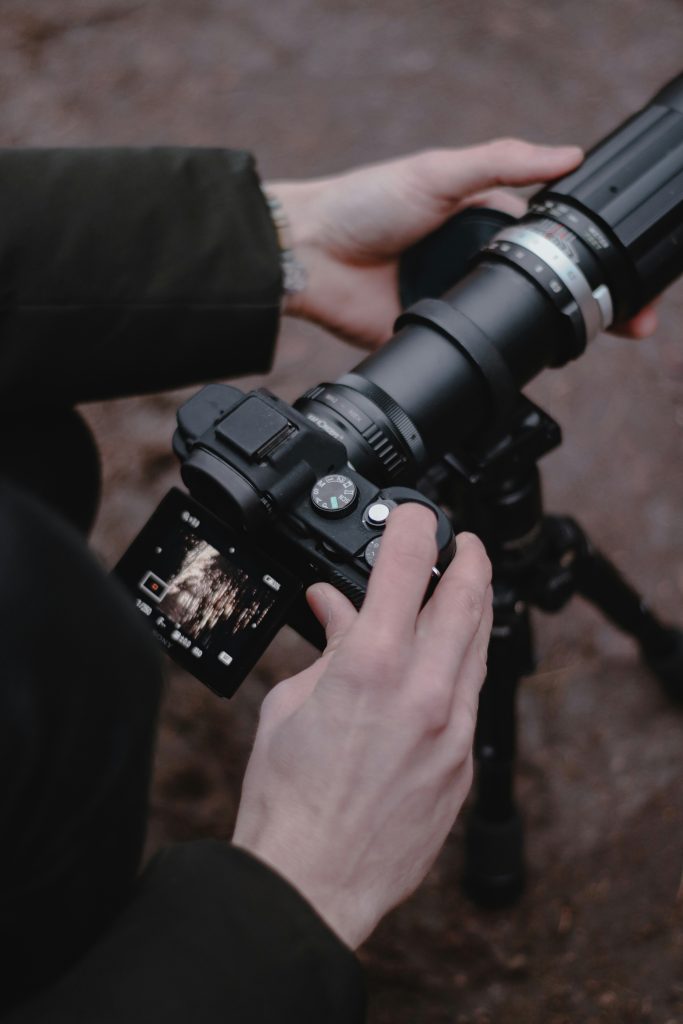
Telephoto lenses, especially those with longer focal lengths, can be susceptible to camera shake due to their magnification power. To counter this, many telephoto lenses come equipped with optical image stabilization (OIS) technology. OIS compensates for camera shake by using specialized optical components to stabilize the image projected onto the camera sensor. This technology allows for sharper handheld shots even at slower shutter speeds, reducing the need for a tripod in certain situations.
3.2 In-body Image Stabilization
While some telephoto lenses have optical image stabilization built into them, certain camera bodies offer in-body image stabilization (IBIS). IBIS technology moves the camera’s sensor to counteract any camera shake, providing stabilization for all lenses attached to the camera body, including telephoto lenses. This can be advantageous for photographers who own multiple lenses or prefer to invest in camera bodies rather than individual stabilized lenses.
3.3 Benefits of Image Stabilization
The image stabilization feature in telephoto lenses helps to reduce motion blur and ensures sharper images, especially in challenging shooting conditions, such as when shooting handheld or in low light situations. It expands your creative possibilities by allowing you to shoot at slower shutter speeds without sacrificing image quality. The stability provided by image stabilization technology enables you to capture sharper details, emphasize motion, and produce professional-quality images.
In conclusion, when selecting a telephoto lens for your camera, keep in mind the important qualities of aperture, focal length, and image stabilization. A telephoto lens with a suitable aperture range gives you control over lighting and depth of field, while the right focal length and zoom capabilities allow you to capture distant subjects or compose versatile shots. Additionally, image stabilization technology helps to counteract camera shake and ensures sharp and clear images. By considering these three qualities, you can choose a telephoto lens that meets your specific photographic needs and helps you capture stunning and impactful images.