When it comes to capturing the perfect shot, having the right equipment can make all the difference. That’s why many photographers find themselves asking the age-old question: do I need a telephoto lens on my camera? With its ability to bring distant subjects up close and create stunning compression effects, a telephoto lens can open up a whole new world of creative possibilities. In this article, we’ll explore the benefits of owning a telephoto lens, and help you determine if it’s the missing piece to elevate your photography game. So, grab your camera and get ready to see things from a whole new perspective.
What is a telephoto lens?
Definition of a telephoto lens
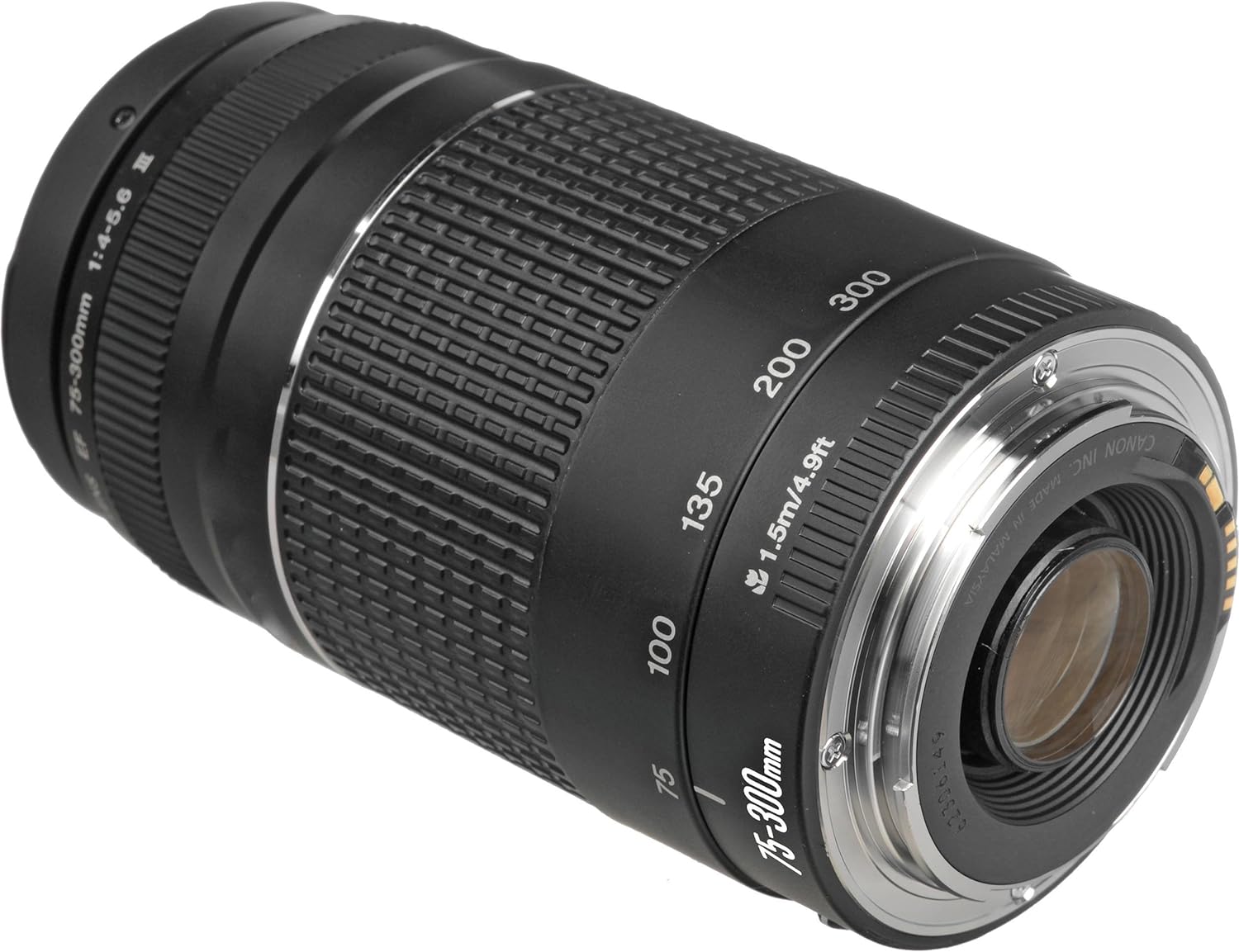
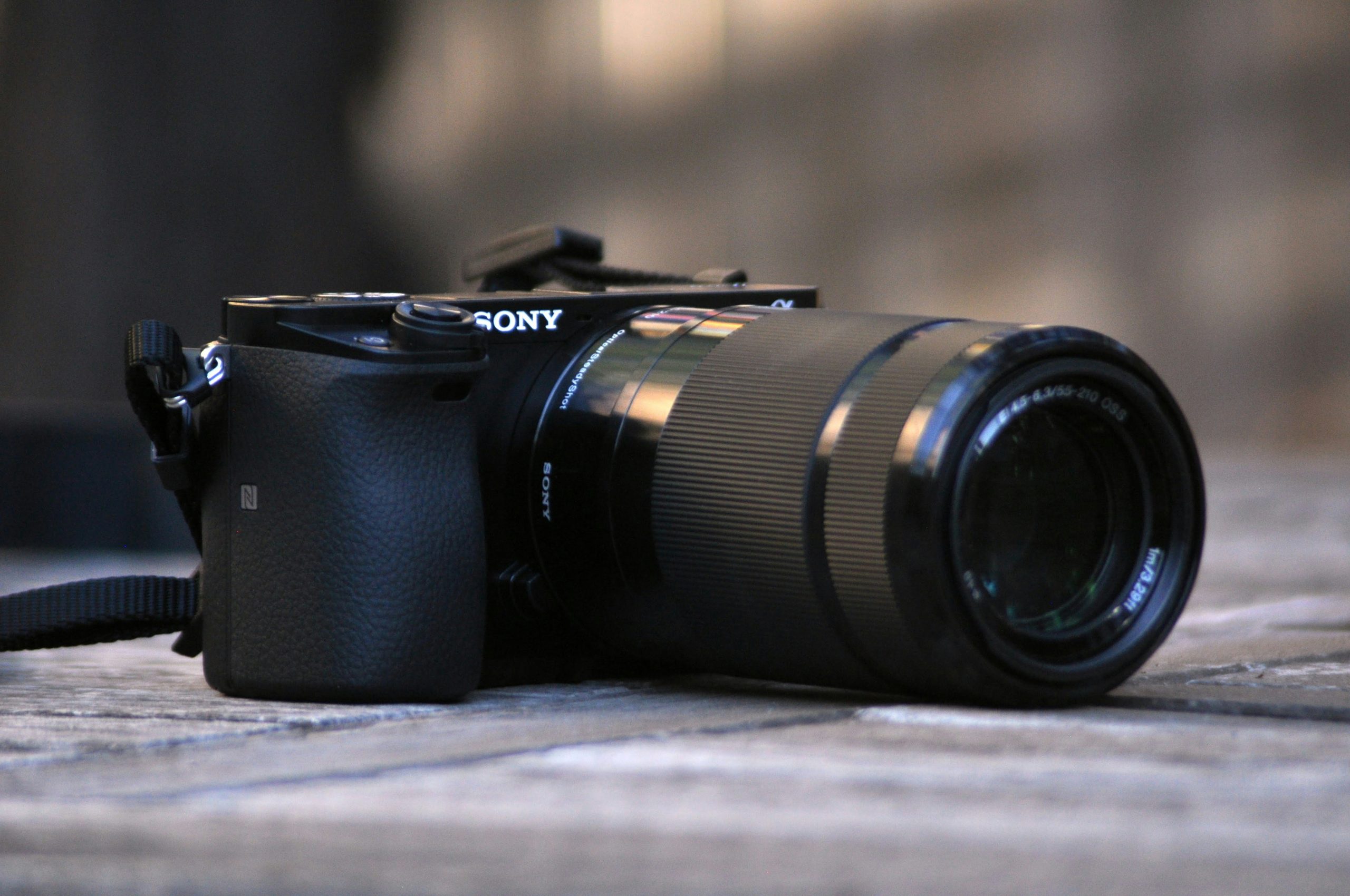
A telephoto lens is a type of camera lens that has a longer focal length than a standard lens, allowing for greater magnification and reach. It is designed to bring distant subjects closer, making them appear larger and more prominent in the frame. Telephoto lenses are commonly used in various types of photography, including wildlife, sports, and portrait photography.
Characteristics of a telephoto lens
Telephoto lenses have several distinct characteristics that differentiate them from other types of lenses. Firstly, they have a longer focal length, usually starting from around 70mm and going up to several hundred millimeters. This longer focal length allows for greater magnification and the ability to bring distant subjects closer.
Another characteristic of telephoto lenses is the compression effect. When using a telephoto lens, objects in the background can appear closer and more compact, creating a sense of depth and making the subject appear more isolated.
Telephoto lenses also have a shallow depth of field, meaning that when a wide aperture is used, the subject can be sharply focused while the background appears blurrier, adding a sense of separation and emphasizing the subject.
Lastly, telephoto lenses are often larger and heavier compared to standard lenses due to the additional glass elements required to achieve the desired magnification.
Advantages of a telephoto lens
Magnification and reach
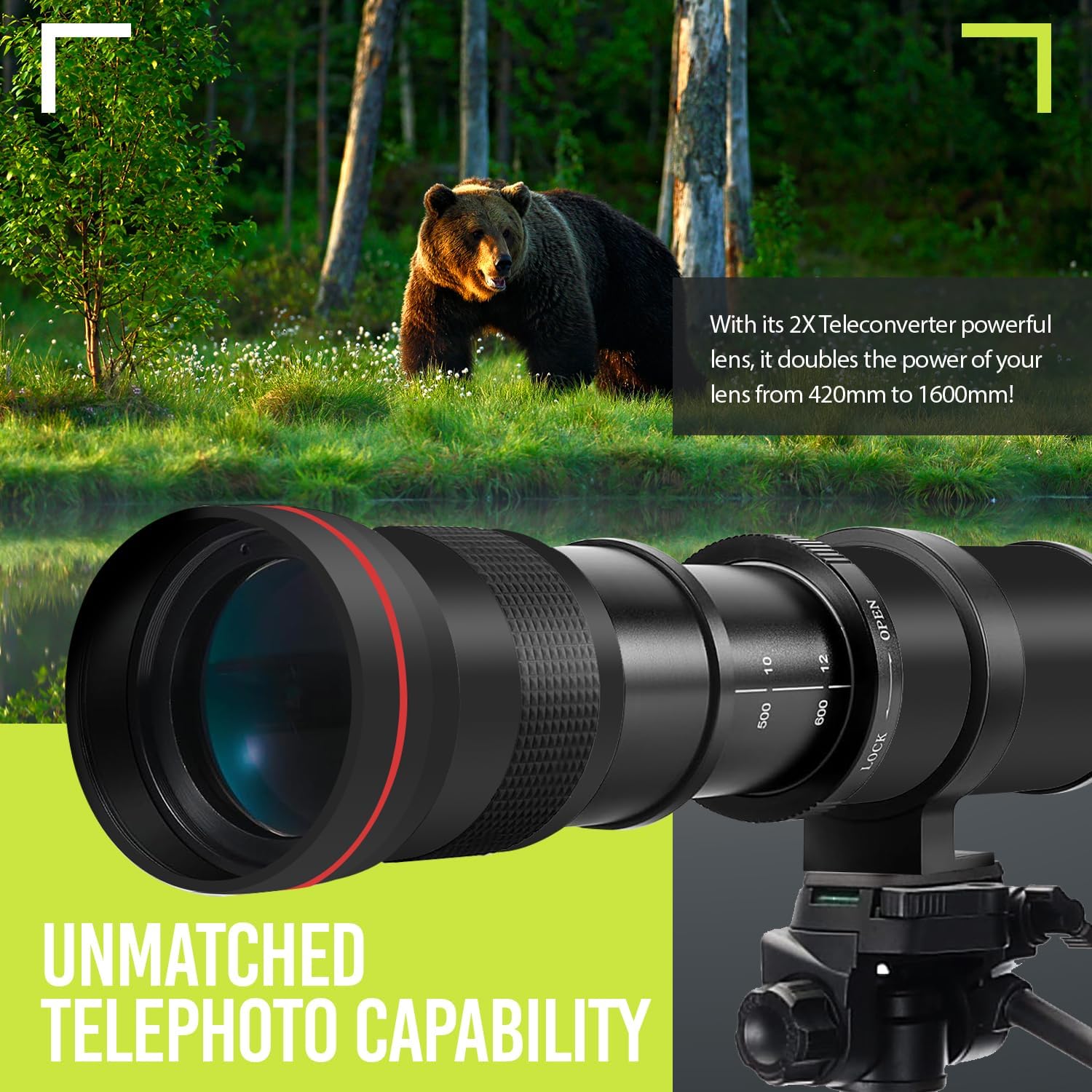
One of the primary advantages of a telephoto lens is the ability to bring distant subjects closer, allowing you to capture details that would otherwise be impossible. Whether you’re photographing wildlife in their natural habitat or capturing action-packed moments in sports photography, a telephoto lens offers unparalleled magnification and reach.
Compression effect
The compression effect produced by a telephoto lens can greatly enhance the visual impact of your photographs. By compressing the background, the main subject is isolated and becomes the center of attention. This effect is particularly useful in portrait photography, as it helps create a pleasing and professional look.
Shallow depth of field
Telephoto lenses are known for their ability to create a shallow depth of field, where the subject is in sharp focus while the background is beautifully blurred. This effect can be used to create a sense of depth and separate the subject from its surroundings, resulting in stunning and artistic imagery.
Ability to isolate subjects
Whether you’re shooting wildlife or capturing fast-paced action, a telephoto lens allows you to isolate your subjects from their environment. By zooming in on the subject, the background becomes less distracting, allowing for a more focused and impactful photograph.
Ideal for wildlife and sports photography
The magnification and reach offered by a telephoto lens make it the perfect choice for wildlife and sports photography. Being able to capture distant animals or athletes in their natural element without disturbing them allows for more candid and authentic shots. Telephoto lenses give photographers the ability to document these moments from a distance while maintaining stunning image quality.
Disadvantages of a telephoto lens
Cost
Telephoto lenses tend to be pricier compared to standard lenses due to their advanced optical design and specialized nature. The higher the focal length and maximum aperture, the more expensive the lens will typically be. For photographers on a tight budget, this can be a significant drawback.
Size and weight
Due to the complex optical design required for telephoto lenses, they are often larger and heavier than standard lenses. This can be cumbersome, especially if you are shooting for an extended period or traveling to different locations. The added weight can also make it difficult to handhold the camera steady, requiring additional support such as a tripod or monopod.
Limited field of view
Telephoto lenses narrow the field of view, making it challenging to capture large scenes or fit multiple subjects into the frame. This limitation is particularly noticeable when shooting in close quarters or confined spaces. If capturing wide-angle shots or expansive landscapes is important to you, a telephoto lens may not be the most suitable option.
Requires steady hands or support
The longer focal length of telephoto lenses amplifies any camera shake, making it crucial to have steady hands or proper support to avoid blurry images. This can be especially challenging in low-light situations where slower shutter speeds are necessary. Investing in image stabilization technology or using tripods and other stabilization equipment can help mitigate this issue.
Less versatility
Telephoto lenses are designed for specific purposes, such as wildlife, sports, or portrait photography. While they excel in these areas, they may not be as versatile as other types of lenses, limiting their usefulness in certain shooting scenarios. Therefore, it is important to carefully consider your photography needs before investing in a telephoto lens.
Types of telephoto lenses
Prime telephoto lenses
Prime telephoto lenses have a fixed focal length, meaning they do not offer zoom capabilities. They are known for their exceptional image quality, wide maximum aperture, and compact size. Prime telephoto lenses are favored by photographers who require a specific focal length and prioritize image quality over versatility.
Zoom telephoto lenses
Zoom telephoto lenses provide the flexibility to adjust the focal length within a specific range. They offer a range of focal lengths in a single lens, allowing you to zoom in or out to capture a variety of subjects and compositions. Zoom telephoto lenses are popular among photographers who value versatility and the convenience of a single lens.
Super telephoto lenses
Super telephoto lenses have extremely long focal lengths, often exceeding 300mm. These lenses are primarily used for capturing distant subjects, such as wildlife or action photography from a significant distance. They are usually larger, heavier, and more expensive than other telephoto lenses, but they produce exceptional image quality and reach.
Choosing the right telephoto lens
Consider your photography needs
Before selecting a telephoto lens, it is essential to consider your specific photography needs. Determine the subjects you will be shooting most frequently and the desired magnification and reach. This will help you choose the appropriate focal length and features for your telephoto lens.
Focal length and zoom range
The focal length of the telephoto lens will dictate its capabilities. A shorter focal length, such as 70-200mm, offers versatility for a range of subjects, while a longer focal length, such as 400mm or more, provides greater reach for wildlife or sports photography. Consider the zoom range and decide which focal lengths are most important to your shooting style.
Aperture size
The maximum aperture of a telephoto lens affects its low-light performance and ability to create a shallow depth of field. A larger maximum aperture, such as f/2.8, allows more light to enter the lens, resulting in faster shutter speeds and sharper images in low-light conditions. However, lenses with larger apertures tend to be more expensive.
Image stabilization
Image stabilization technology, often referred to as Vibration Reduction (VR) or Optical Image Stabilization (OIS), can greatly enhance your shooting experience with a telephoto lens. This feature compensates for camera shake, allowing you to shoot handheld at slower shutter speeds without compromising image quality. Image stabilization is particularly useful in telephoto lenses due to their susceptibility to camera shake.
Lens compatibility with camera
Ensure that the telephoto lens you choose is compatible with your camera. Different camera manufacturers have their own lens mounts, and not all lenses are compatible with every camera model. Additionally, consider the autofocus capabilities and other features that may vary depending on the camera brand and lens combination.
Different uses of telephoto lenses
Wildlife photography
Telephoto lenses are a go-to choice for wildlife photographers, as they allow them to capture animals from a safe distance while maintaining excellent image quality. The long focal length and reach of telephoto lenses make it possible to photograph elusive or dangerous animals without causing disruption. The ability to bring distant wildlife closer allows for stunning and detailed shots that showcase the natural behavior of the subject.
Sports and action photography
In sports photography, where fast-paced action and unpredictable movements are common, telephoto lenses offer the necessary reach to capture athletes in their most dynamic moments. From capturing a high-flying dunk in basketball to a dramatic finish line in a race, the magnification and quick autofocus of telephoto lenses ensure that the action is frozen in time with remarkable clarity.
Portrait photography
Telephoto lenses are commonly used in portrait photography due to their ability to create a shallow depth of field and isolate the subject. By using longer focal lengths, such as 85mm or 135mm, the background can be beautifully blurred, drawing attention to the person being photographed. This compression effect also helps to flatter facial features and create a pleasing perspective.
Landscape photography
While telephoto lenses are not typically the first choice for landscape photography, they can still be used to capture unique and intimate shots of distant landscape elements. Telephoto lenses compress the foreground and background, allowing for interesting compositions and emphasizing specific elements of the scene. They can also be useful for isolating details in expansive landscapes.
Street and documentary photography
Telephoto lenses can be valuable tools in street and documentary photography, especially when capturing candid moments from a distance. The ability to observe and document everyday life without intruding on the subjects’ privacy allows for more authentic and unposed photographs. Telephoto lenses also provide a different perspective, bringing distant subjects closer and highlighting specific details or interactions.
Alternatives to a telephoto lens
Crop sensor
If investing in a telephoto lens is not currently feasible, one alternative is to utilize the crop sensor feature on your camera. Many cameras have an option to crop the image digitally, effectively increasing your focal length. While this method may result in a loss of image quality, it can still provide a temporary solution for capturing distant subjects until a dedicated telephoto lens is acquired.
Teleconverters
Teleconverters, also known as telephoto extenders, are accessories that increase the focal length of a lens when attached between the camera body and the lens. They can be a cost-effective way to enhance your existing lens’s telephoto capabilities. However, it’s important to note that teleconverters also reduce the maximum aperture and may result in a loss of image quality.
Image cropping and post-processing
Another alternative is to capture the image with a standard lens and later crop the image during post-processing to achieve a similar effect as using a telephoto lens. This method can be useful if you don’t require the full resolution of your camera and still want to create the illusion of a telephoto shot. However, it’s important to remember that cropping heavily can reduce the image quality and result in a narrower field of view.
Considerations for beginners
Budget constraints
For beginners, the cost of a telephoto lens may be a significant factor to consider. Telephoto lenses tend to be more expensive compared to standard lenses, especially those with longer focal lengths and wider maximum apertures. It is essential to set a budget and explore affordable options that meet your photography needs.
Learning curve
Telephoto lenses require some practice and technique to achieve optimal results. The longer focal lengths amplify camera shake, making it crucial to develop steadiness when shooting handheld or using appropriate support. Additionally, understanding the impact of depth of field and effectively isolating subjects may require experimentation and familiarity with the lens.
Stability and support
Due to their size and weight, telephoto lenses can be challenging to handhold for extended periods. It is recommended to use a tripod or monopod to stabilize the camera and lens, particularly when shooting in low-light conditions or using longer focal lengths. This ensures sharp and blur-free images, allowing you to fully utilize the capabilities of your telephoto lens.
Renting vs. buying a telephoto lens
Pros of renting
Renting a telephoto lens can be a great option if you need it for a short duration, such as a specific event or photography outing. Renting allows you to access high-end telephoto lenses that may be outside your budget, giving you the opportunity to experiment and learn without a long-term investment. It also allows you to try different focal lengths before committing to a purchase.
Pros of buying
Owning a telephoto lens provides long-term access to its capabilities and allows you to familiarize yourself with the lens over time. It provides consistency and reliability, as you can use the lens whenever you need it. Buying a telephoto lens can also be a worthwhile investment if you frequently engage in photography genres that benefit from its focal length, such as wildlife or sports photography.
Factors to consider when deciding
When deciding between renting and buying, there are several factors to consider. Evaluate your photography needs and frequency of use. If you will only require a telephoto lens occasionally or for specific events, renting may be the more cost-effective option. However, if you expect to use a telephoto lens regularly and desire the flexibility and convenience of owning one, investing in a lens may be the better choice in the long run.
Conclusion
Whether you are an avid wildlife photographer, a sports enthusiast, or a portrait artist, a telephoto lens can greatly enhance your photography capabilities. With its ability to bring distant subjects closer, create a shallow depth of field, and isolate your subjects, a telephoto lens opens up new possibilities for capturing stunning and impactful images.
When choosing a telephoto lens, consider your specific photography needs, the focal length and zoom range, the aperture size, image stabilization capabilities, and compatibility with your camera. Explore the different types of telephoto lenses, such as prime, zoom, and super telephoto, to find the one that best suits your shooting style.
While telephoto lenses offer numerous advantages, it is important to be aware of their disadvantages, such as cost, size, limited field of view, and the need for steady hands or support. Beginners should consider their budget constraints, be prepared for a learning curve, and prioritize stability when shooting with a telephoto lens.
For those who may not be ready to invest in a telephoto lens, alternatives such as utilizing the crop sensor feature, using teleconverters, or cropping and post-processing can provide temporary solutions. Renting a telephoto lens is also a viable option for those who only require it for specific occasions or events.
Ultimately, the decision of whether to rent or buy a telephoto lens depends on your photography needs and budget. Evaluate your specific requirements, consider all the factors, and consult with experienced photographers to make an informed decision. With the right telephoto lens in your camera bag, you’ll be ready to capture stunning and memorable photographs in various genres of photography.