Imagine being able to capture incredible, up-close shots of distant objects with just a click of your camera. Sounds amazing, right? However, there is one significant challenge that arises when using a powerful telephoto lens. This challenge lies in finding the perfect balance between magnification and stability. While the ability to zoom in on far-off subjects is undoubtedly impressive, it can also lead to shaky images. In this article, we will explore this main problem with a powerful telephoto lens and uncover some helpful tips to overcome it. Get ready to explore the world of telephoto photography like never before.

Introduction
When it comes to photography, a powerful telephoto lens can offer great benefits in terms of capturing distant subjects and achieving stunning close-ups. However, it’s important to recognize that with this power comes a set of challenges that photographers must be aware of. In this article, we will explore the main problems associated with using a powerful telephoto lens, starting with the weight and size of the equipment.
Weight and Size
Larger and heavier equipment
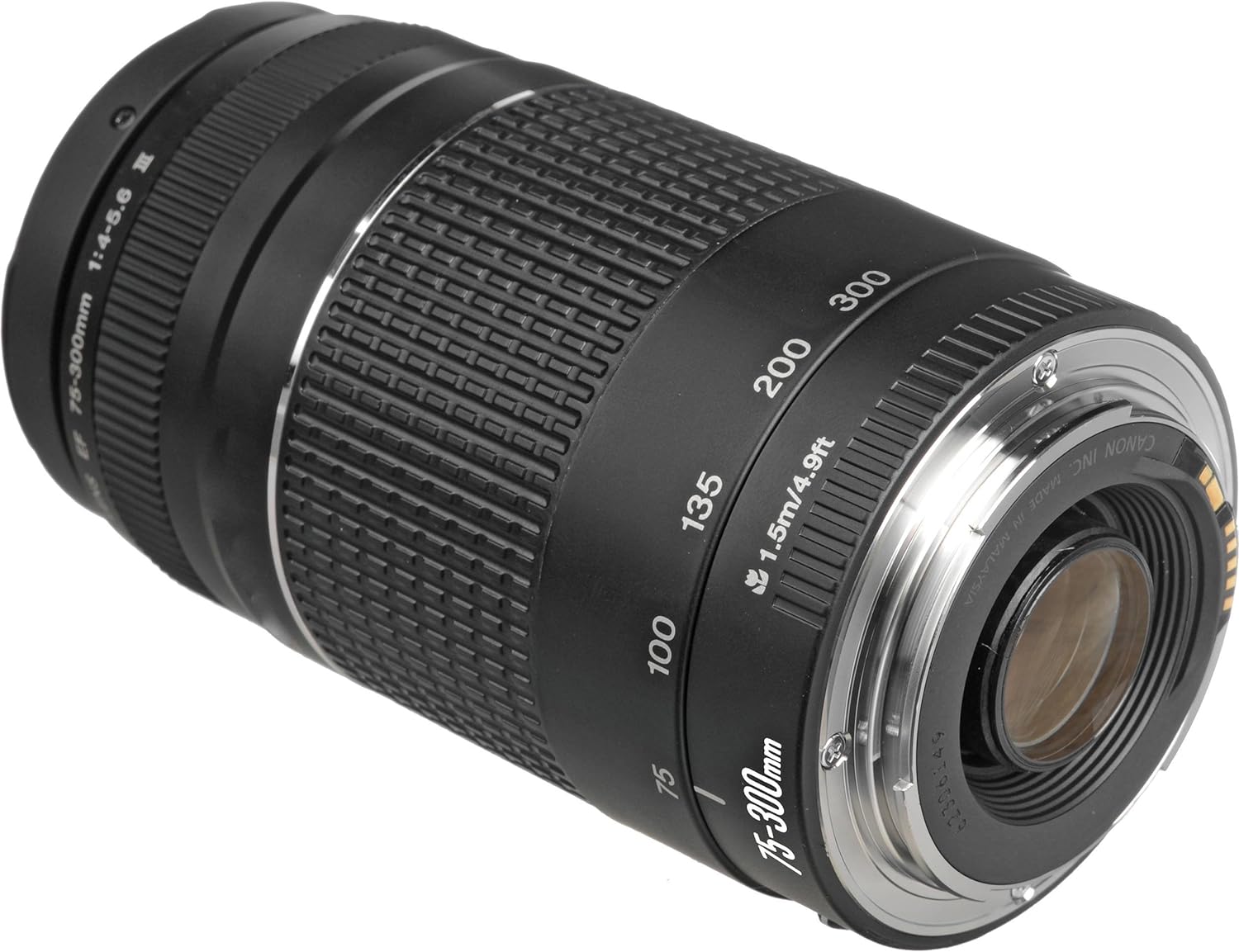
One of the main challenges with a powerful telephoto lens is its size and weight. These lenses are designed to capture distant subjects, which often requires a longer focal length. As a result, telephoto lenses tend to be larger and heavier than other types of lenses. Carrying and handling such equipment can become physically demanding, especially during long photography sessions or when shooting in challenging environments.
Challenging to carry and handle
The weight and size of a powerful telephoto lens can make it challenging to carry and handle effectively. The sheer size alone can make it difficult to fit into a camera bag, adding an extra burden for photographers who already have multiple lenses and accessories to carry. Additionally, the weight of the lens can make it harder to stabilize and control, potentially affecting the quality of the images captured.
Cost
Expensive to purchase
Another significant problem associated with powerful telephoto lenses is their cost. These lenses are often considered top-of-the-line equipment due to their advanced optical capabilities and features. As a result, they tend to come with a higher price tag compared to other types of lenses. This can pose a financial challenge for photographers who are just starting out or working on a limited budget.
Additional expenses for accessories and maintenance
In addition to the initial cost of purchasing a powerful telephoto lens, photographers must also consider the additional expenses for accessories and maintenance. Telephoto lenses usually require specialized accessories such as lens hoods, tripods, and filters to maximize their performance. Furthermore, the regular maintenance and potential repairs of these lenses can also incur significant expenses over time. It’s essential for photographers to budget accordingly and be aware of these extra costs before investing in a powerful telephoto lens.
Image Stabilization
Increased risk of camera shake
One of the challenges photographers face when using a powerful telephoto lens is an increased risk of camera shake. The longer focal length of these lenses magnifies even the slightest movement, leading to potential blur in the captured images. Holding a telephoto lens steady can be quite challenging, especially when shooting handheld or in low-light conditions.
Requirement for additional stabilization equipment
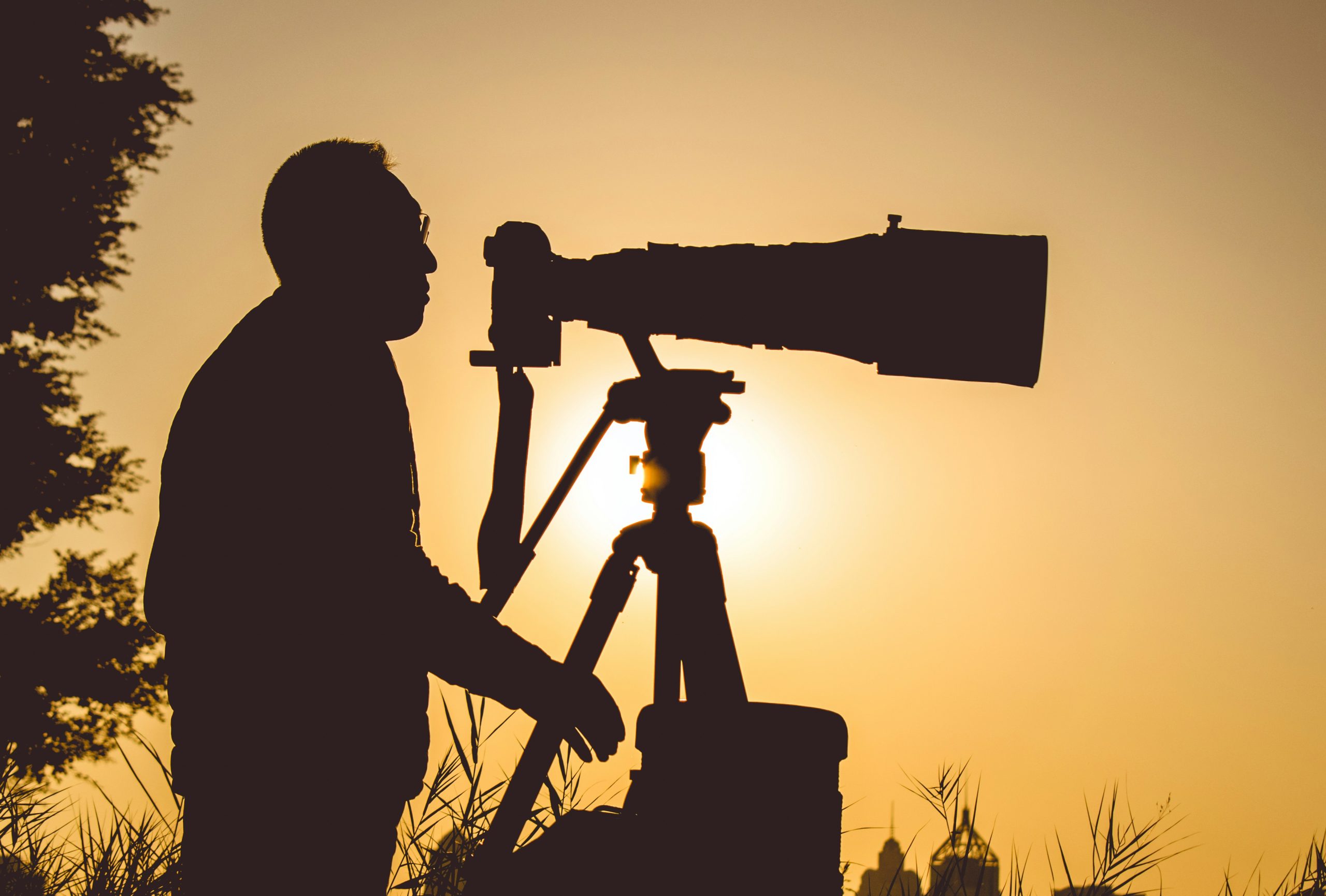
To overcome the issue of camera shake, photographers often need to invest in additional stabilization equipment when using a powerful telephoto lens. This can include tripods, monopods, or even specialized lens mounts with image stabilization technology. These accessories can add further weight and cost to the overall photography setup, requiring photographers to carefully consider their needs and budget.
Narrow Field of View
Limited composition options
One of the limitations of powerful telephoto lenses is their narrow field of view. While this characteristic is useful for isolating subjects and capturing details from a distance, it also limits the composition options available to photographers. Wide-angle shots or expansive landscape photography may be challenging with a telephoto lens as it tends to compress perspective and restrict the overall view of the scene.
Difficulty in tracking fast-moving subjects
Telephoto lenses are often used in sports and wildlife photography to capture fast-moving subjects. However, due to their narrow field of view, it can be challenging to track and keep these subjects in focus. The limited composition options and narrower perspective increase the difficulty of anticipating and capturing the right moment, potentially resulting in missed shots or blurry images.
Focusing Challenges
Difficult to achieve accurate focus
Achieving accurate focus with a powerful telephoto lens can be a challenge. The longer focal length increases the depth of field, making it more critical to have precise focus on the subject. Autofocus systems may struggle to accurately track subjects, especially in low-light situations or when dealing with subjects with low contrast. Photographers often need to rely on manual focus techniques and practice to master the art of getting a sharp focus with telephoto lenses.
Depth of field becomes critical
The depth of field becomes even more critical when using a powerful telephoto lens. With a narrow depth of field, the focus plane becomes even more restrictive, requiring precise control over what is in focus and what is not. This can be particularly challenging in scenarios where multiple subjects are at varying distances from the camera, making it crucial for photographers to carefully consider their aperture settings and focus techniques.
Shallow Depth of Field
Narrow range of focus
A powerful telephoto lens typically has a shallow depth of field, which means that only a narrow range of the image will be in focus. While this can be creatively utilized to isolate subjects and create a sense of depth, it also requires photographers to have precise control over their focus points. A slight misalignment in focus can easily result in parts of the image being blurred or out of focus, leading to disappointing results.
Potential for blurring unwanted parts of the image
The shallow depth of field associated with telephoto lenses can also lead to the potential blurring of unwanted parts of the image. When shooting portraits or close-ups, for example, the nose or ears of the subject may fall out of the focus plane. This requires photographers to be mindful of their composition, ensuring that important elements are within the narrow range of focus to avoid any unintended blurring.
Limited Usage Scenarios
Unsuitable for close-up shots
While telephoto lenses excel in capturing distant subjects, they may not be the ideal choice for close-up shots. The long focal length often requires a significant distance between the camera and the subject to achieve focus. This limitation can make it challenging to capture detailed close-ups of smaller subjects or objects. Photographers interested in macro photography or focusing on intricate details may need to consider alternative lens options.
Not ideal for wide-angle or landscape photography
Powerful telephoto lenses are not typically the go-to choice for wide-angle or landscape photography. The narrow field of view, as mentioned earlier, restricts the overall perspective and composition options available to photographers. While telephoto lenses can still be used creatively in these scenarios, capturing sweeping vistas or expansive landscapes may require a different lens with a wider field of view.
Privacy Concerns
Invasion of privacy
The powerful zoom capabilities of telephoto lenses can raise ethical concerns regarding privacy. In certain situations, such as public spaces or events, using a powerful telephoto lens to capture candid shots may intrude upon people’s privacy. It is important for photographers to be aware of and respect the privacy boundaries of their subjects, obtaining consent when necessary and exercising discretion when capturing images from a distance.
Potential misuse or unethical practices
Unfortunately, powerful telephoto lenses have the potential to be misused or employed for unethical practices. Invasive surveillance, invasion of private spaces, or unauthorized capturing of sensitive moments can all lead to negative consequences. It is essential for photographers to uphold ethical standards and use their telephoto lenses responsibly, respecting the rights and dignity of others.
Conclusion
Powerful telephoto lenses undoubtedly offer incredible capabilities for photographers, allowing them to capture distant subjects and achieve stunning close-ups. However, it is crucial to recognize and address the challenges associated with these lenses. From the weight and size of the equipment to the cost and additional expenses, image stabilization concerns, narrow field of view, focusing challenges, shallow depth of field, limited usage scenarios, and privacy concerns, photographers must navigate these hurdles to make the most of their powerful telephoto lenses. By understanding and adapting to these challenges, photographers can enhance their skills, capture remarkable images, and create meaningful visual stories.